

modern led mirror
The Importance of High-Quality Spirit Levels in Construction and Carpentry In the world of construction and carpentry, precision is paramount. One of the most essential tools in achieving that precision is the spirit level. A high-quality spirit level is not just an accessory; it is an indispensable instrument that helps ensure every project—from building a house to hanging a picture—is perfectly aligned. This article explores the significance of high-quality spirit levels, their features, and why investing in the right tool can make a considerable difference in your work. Understanding Spirit Levels Spirit levels, often known as bubble levels, are instruments used to establish a horizontal (level) or vertical (plumb) plane. The classic spirit level consists of a liquid-filled tube with an air bubble inside. When the bubble is centered between two lines, it indicates that the surface is perfectly level. While simple in design, the accuracy of a spirit level is critical to the construction process, affecting everything from the stability of structures to the aesthetic appeal of finished projects. The Need for Precision In construction, even a slight misalignment can lead to catastrophic failures. Uneven surfaces can compromise the structural integrity of buildings, resulting in safety hazards and costly repairs. For carpenters and builders alike, using a high-quality spirit level allows them to achieve the exact measurements necessary for their work. Whether it's laying a foundation, installing doors and windows, or during the framing of walls, having precise alignments is crucial. Features of High-Quality Spirit Levels When selecting a spirit level, several features distinguish high-quality levels from their lower-quality counterparts. 1. Material Quality Top-tier spirit levels are often made from aircraft-grade aluminum or reinforced plastic, making them lightweight yet durable . This ensures that they can withstand the wear and tear of job sites while maintaining their accuracy. high quality spirit levels 2. Accuracy A high-quality spirit level typically offers enhanced accuracy, often to within ±1/32 inch over 72 inches. This level of precision is important for larger projects, where even minor discrepancies can be magnified. 3. Vial Types Most high-quality spirit levels utilize multiple vials that can measure both horizontal and vertical alignment. Some levels even include a 45-degree vial. The visibility of the bubble is essential; thus, superior levels often have vials that feature bright contrast colors to enhance readability. 4. Protective Features Many top-end spirit levels come with protective features such as shock-absorbing end caps and heavy-duty cases. These prevent damage from drops or impacts, especially on rough job sites, ensuring that the tool remains accurate over time. 5. Length Variations High-quality spirit levels come in various lengths, from small pocket-sized options to larger models for significant projects. A longer spirit level can provide added stability and precision over extensive spans, while smaller models are perfect for detail work. The Cost-Effectiveness of Investing in Quality While high-quality spirit levels may come with a higher upfront cost, they provide significant long-term value. Cheaper levels may save money initially, but the likelihood of inaccurate readings can lead to poor project outcomes, requiring additional time and resources to fix mistakes. By investing in a high-quality spirit level, professionals and DIY enthusiasts can ensure greater accuracy, leading to efficient work and superior results. Conclusion In conclusion, a high-quality spirit level is an essential tool for anyone involved in construction or carpentry. It enhances accuracy and efficiency, leading to better outcomes on every project. As precision remains a cornerstone of skilled craftsmanship, the value of investing in a top-tier spirit level cannot be overstated. Whether you are a professional contractor or a weekend warrior taking on home improvement tasks, selecting and utilizing a high-quality spirit level will help you achieve the alignment success that every project deserves. After all, in the world of construction, the difference between a job well done and one requiring rework often lies within the simple precision of a spirit level.
about
modern led mirror
Types of Ground Anchors A Comprehensive Overview Ground anchors are essential elements in various engineering and construction projects, providing stability and support for structures ranging from buildings to retaining walls, bridges, and more. They are crucial for managing forces such as tension and shear, ensuring the safety and longevity of the structures they support. This article delves into the different types of ground anchors, their applications, advantages, and limitations, providing a comprehensive understanding of this vital engineering component. 1. Mechanical Anchors Mechanical anchors work by utilizing expansion methods to secure themselves in place within a substrate, typically concrete or rock. Common types of mechanical anchors include - Expansion Anchors These are commonly used in concrete. When a bolt is tightened, it expands the anchor against the sides of the drilled hole, creating a strong hold. - Sleeve Anchors Made of a bolt and a sleeve that expands against the surrounding material when the bolt is tightened. They are effective in various applications, particularly in medium-load scenarios. - Wedge Anchors These are designed with a tapered end that securely locks into place as the bolt is tightened, making them ideal for heavy-duty applications. Applications Mechanical anchors are widely used in building construction, sign mounting, and in applications where load-bearing strength is required. Advantages They provide instant load-bearing capacity when installed correctly, and they are adaptable to various substrates. Limitations The effectiveness of mechanical anchors greatly depends on the substrate quality, and they may not perform well in softer or vulnerable materials. 2. Chemical Anchors Chemical anchors utilize adhesive bonding to secure themselves within a drilled hole. These anchors generally come in two-component systems that include a resin and a hardener, which cure when mixed together. Applications Chemical anchors are particularly beneficial in situations where high tensile strength is required or where vibrations may affect other anchoring methods. They are often used in securing rebar to concrete, heavy machinery, and in seismic retrofitting applications. Advantages Their superior load-bearing capabilities and resistance to environmental factors like moisture and chemical exposure make them a preferred choice in critical installations. Limitations The installation process requires careful mixing and curing time, which can prolong project timelines . Additionally, they may be more expensive compared to mechanical anchors. types of ground anchors 3. Soil Anchors Soil anchors are used to secure structures to the ground in softer soil conditions. They can be constructed using various methods such as - Augered Anchors These are drilled deep into the soil and can be filled with concrete to enhance their load-bearing capacity. - Drilled Shafts Often used in deep foundation work, these involve boring large-diameter holes and pouring concrete to create a solid anchor point. - Helical Anchors Featuring a helical design that allows them to be screwed into the ground, these anchors provide excellent resistance to tension and are often used in retaining walls and telecommunication towers. Applications Soil anchors are extensively utilized in the construction of retaining walls, slope stabilization, and in the foundation work for various structures. Advantages They are relatively easy to install, can be deployed in challenging soil conditions, and are resistant to lateral forces. Limitations Their effectiveness can be highly dependent on soil conditions, which require detailed geological surveys before implementation. 4. Rock Anchors Rock anchors are specifically designed for applications in rocky terrains. These anchors can integrate mechanical and chemical anchoring methods to provide exceptional stability. Applications They are commonly used in the mining industry, tunneling, and in stabilizing problematic rock faces in civil engineering works. Advantages Rock anchors provide high load-bearing capacity and can be used in extreme conditions. Limitations They often require specialized equipment and skilled labor for installation, increasing project costs and complexity. Conclusion Ground anchors play a pivotal role in ensuring the safety and durability of structures across varied applications. Understanding the different types of anchors, namely mechanical, chemical, soil, and rock anchors, allows engineers and construction professionals to select the most effective solutions according to specific project needs and environmental conditions. Ultimately, the right choice of ground anchoring will contribute significantly to the success and stability of engineering projects, safeguarding them against the forces of nature and human activity alike.
-

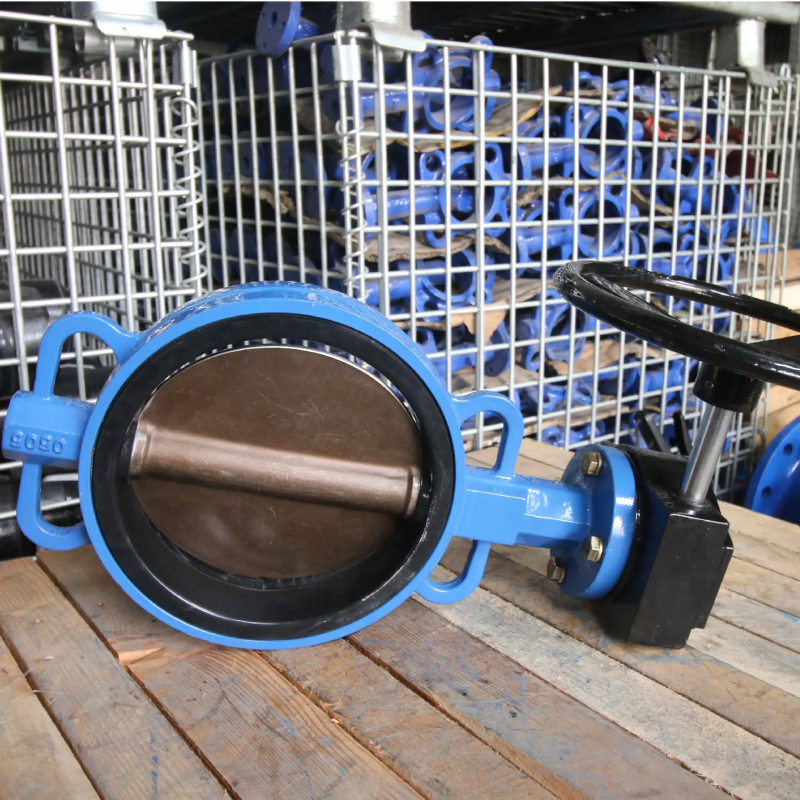
High quality industrial productsagement

High quality industrial products
View Details -

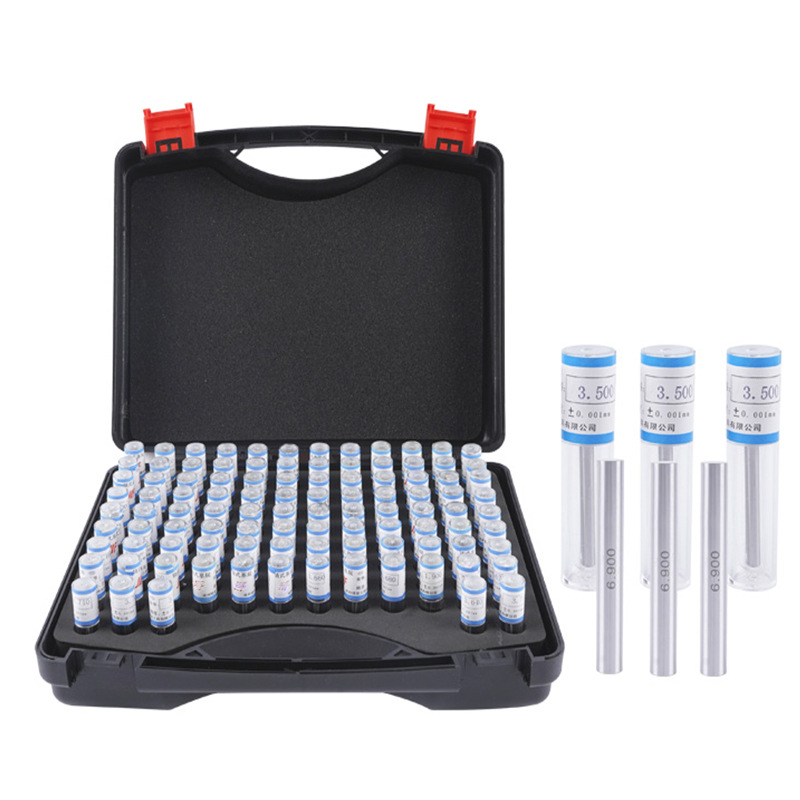
Meet the diverse needs of customers

Meet the diverse needs of customers
View Details -

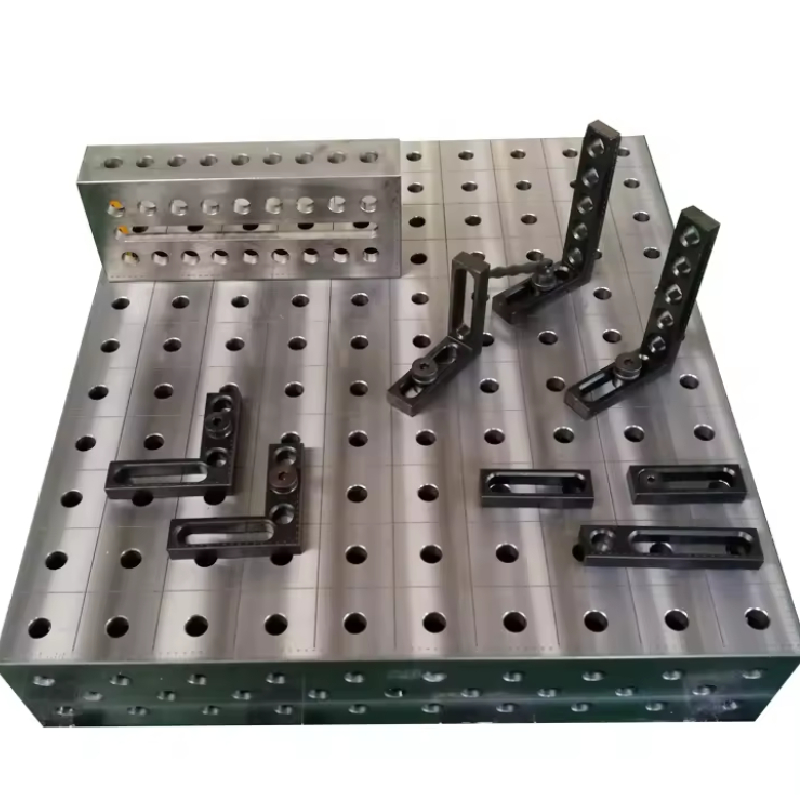
Strict quality control

Strict quality control
View Details -

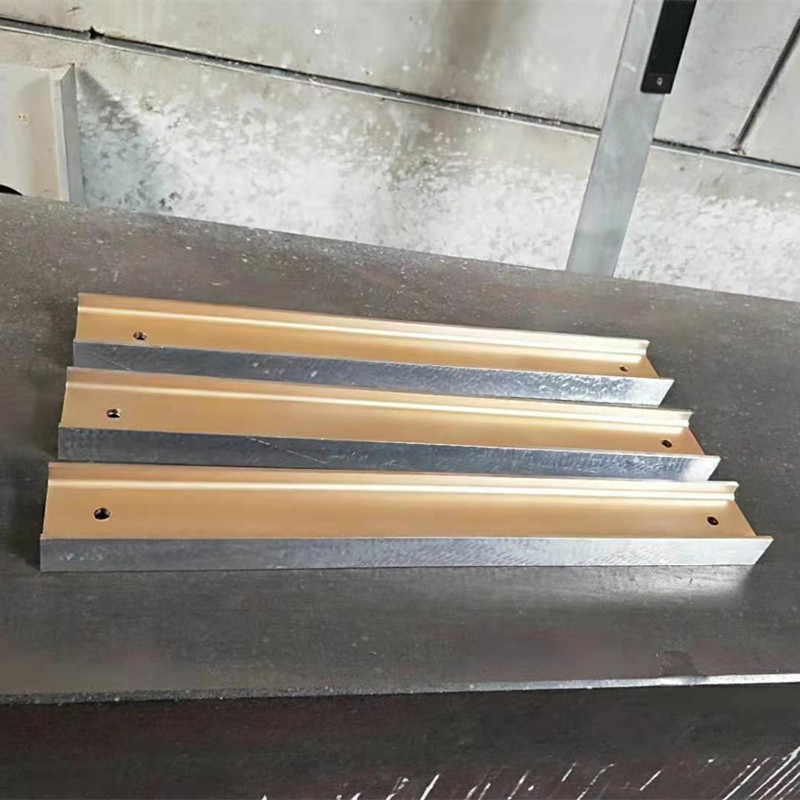
Top raw materials

Top raw materials
View Details -

Trusted supplier

Trusted supplier
View Details
Our application
news and information
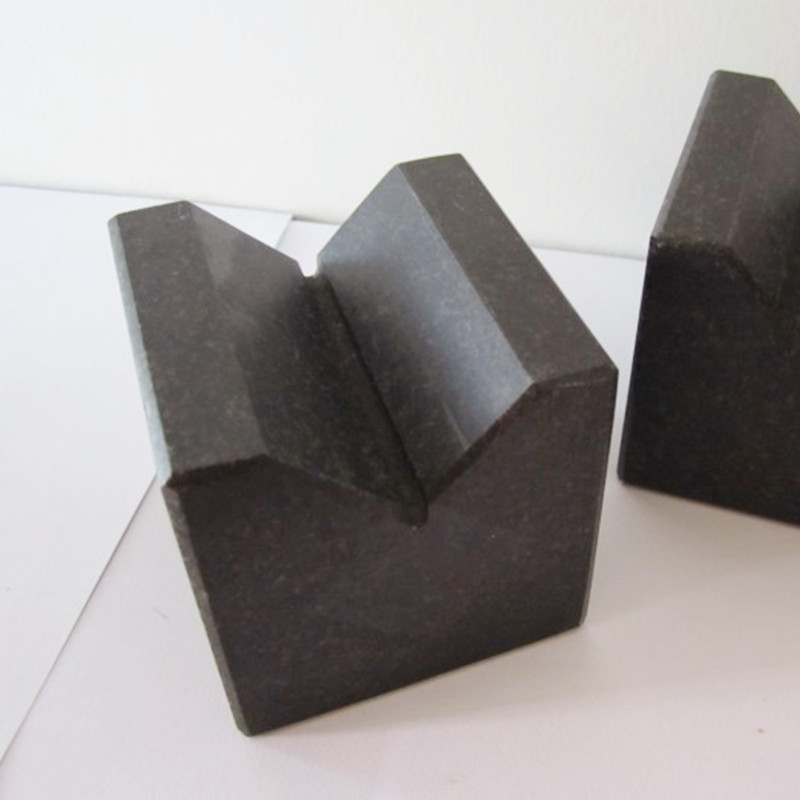
Utilizzo di barre d'acciaio nei lavori di costruzione di edifici e strutture
L'importanza delle barre d'acciaio nelle costruzioni edili Nel settore delle costruzioni, l'uso dell
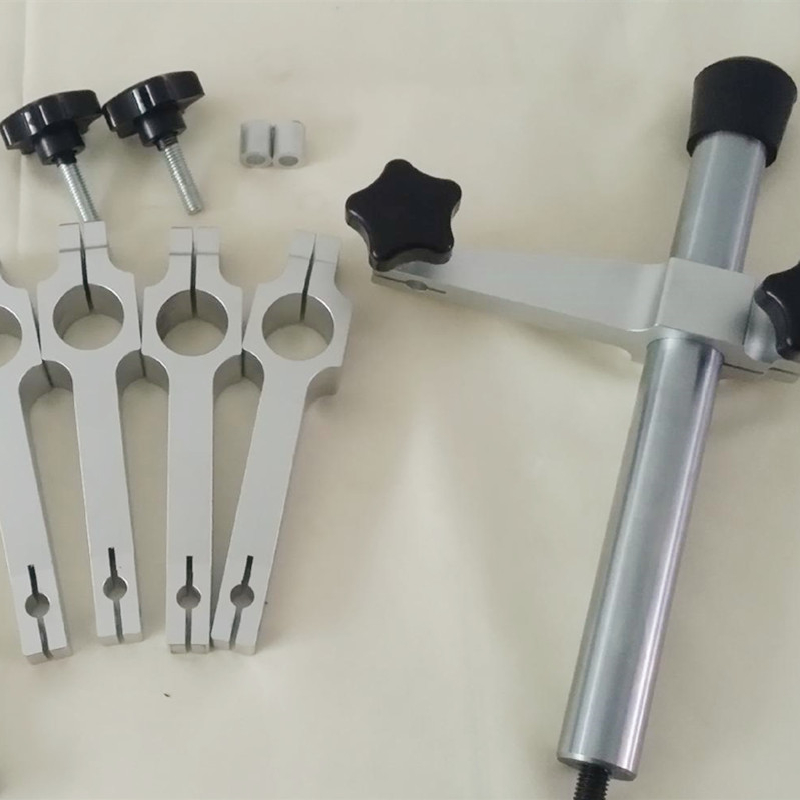
Using Brackets to Assemble Wooden Structures and Enhance Your DIY Projects Effectively
Embracing Nature The Art of Joining Wood with Brackets In the world of woodworking, there is a disti
waterleidingklep
Waterlijnklep Een Cruciaal Element voor Efficiënt Beheer van Waterlopen Een waterlijnklep, of waterl
 English